
Cannabis and Music: From Jazz to Hip-Hop
A century of culture, creativity, and the plant that shaped how America sounds.
A Connection That Runs Deep
Cannabis and music have been intertwined for as long as both have existed in American culture. This is not a casual relationship or a marketing angle. It is a fundamental truth about how some of the most important music in history came to be created, shared, and experienced.
From the jazz clubs of 1920s New Orleans to the studios where today's artists produce, cannabis has been a companion to musical creation across genres, generations, and social movements. Understanding this history is not just interesting. It is essential context for understanding what cannabis culture actually is, beyond the stereotypes and the branding.
This is a history that matters to us at Kush Connection. The Kushner family spent decades in broadcasting and music. When Jake Kushner built this dispensary around the idea of “Dispensary + Music + More,” he was drawing on a real lineage, not inventing a theme. The connection between cannabis and music is in the DNA of this business.
The Jazz Era: 1920s-1940s
The story of cannabis in American music starts in the jazz clubs of New Orleans, Harlem, and Kansas City. In the 1920s and 1930s, “reefer” or “muggles” (as it was then called) was common among jazz musicians who saw it as a tool for loosening creative boundaries and deepening their connection to the music.
Louis Armstrong was an open and lifelong cannabis user, calling it a way to relax and connect with his art. He was arrested for possession in 1930 and advocated for its legalization throughout his career. Armstrong was not ashamed of his use. He saw it as a natural part of his creative life and was vocal about it at a time when that took genuine courage.
Cab Calloway's1932 hit “Reefer Man” brought cannabis references directly into popular music. The song was playful, but it reflected a reality: cannabis was woven into the social fabric of the jazz world. Cab Calloway, Fats Waller (“Viper's Drag”), and numerous other artists referenced cannabis in their work, creating a coded language that audiences understood.
Jazz itself was a music of improvisation, spontaneity, and collective creation. Cannabis, with its ability to shift perception of time and deepen sensory awareness, fit naturally into that creative process. Musicians reported that it helped them hear patterns differently, respond to other players more intuitively, and take risks they might not take otherwise.
The tragic counterpoint to this creative flourishing was the beginning of cannabis prohibition. Harry Anslinger's Federal Bureau of Narcotics deliberately linked cannabis to jazz music and Black culture as part of its racist campaign to criminalize the plant. The Marihuana Tax Act of 1937 was fueled in part by propaganda that associated cannabis with Black musicians and communities. The war on drugs began, quite literally, as a war on the culture that created jazz.
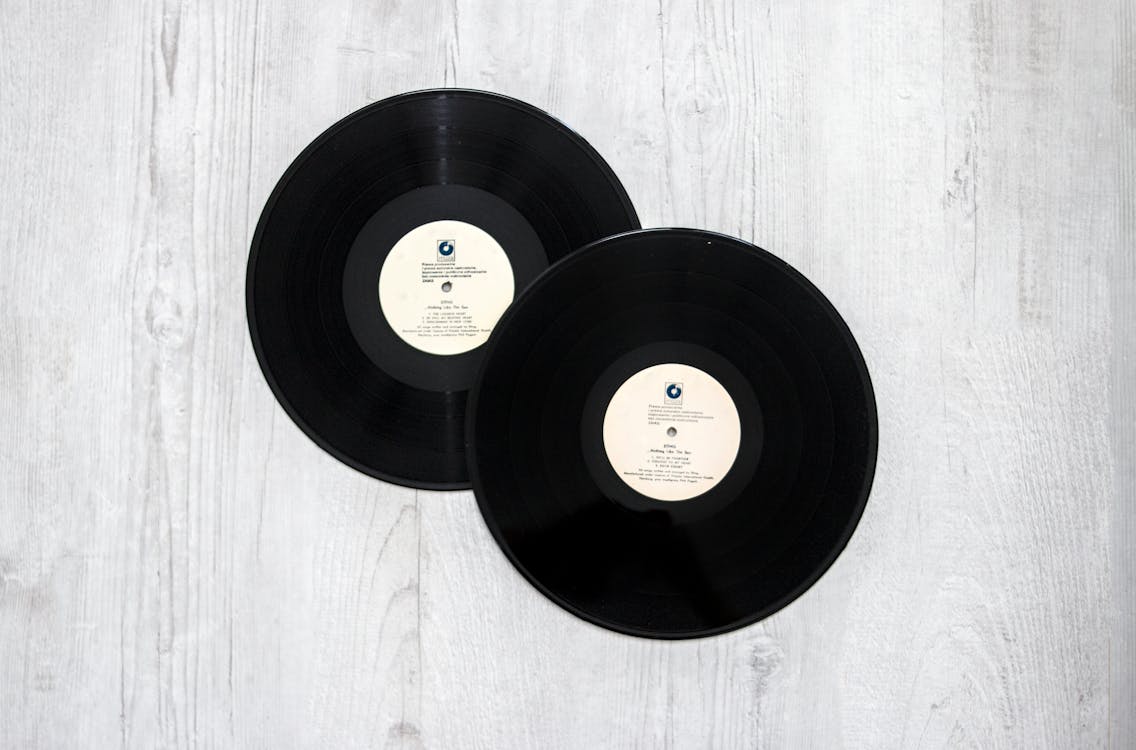
From the Clubs to the Stadiums
Every major movement in American music has had cannabis woven into its creative fabric. From Louis Armstrong's trumpet to Jimi Hendrix's guitar to Dr. Dre's production desk, the plant has been a constant companion to artistic innovation.
Rock and Psychedelia: 1960s-1970s
The 1960s brought cannabis into the mainstream of American culture through rock music. What had been an underground practice among jazz musicians became a defining feature of the counterculture movement.
Bob Dylan famously introduced The Beatles to cannabis in a New York hotel room in 1964, an encounter that many music historians point to as a pivotal moment in rock history. The Beatles' music shifted dramatically after this meeting, moving from straightforward pop into the experimental territory of Rubber Soul, Revolver, and Sgt. Pepper's Lonely Hearts Club Band.
Jimi Hendrixmade cannabis an explicit part of his artistic identity. Songs like “Purple Haze” (while often attributed to other substances) emerged from a creative process that cannabis deeply influenced. Hendrix's otherworldly guitar work, with its extended improvisations and sonic experimentation, reflected the expanded perception that cannabis can facilitate.
The Grateful Deadbuilt an entire culture around the combination of music and cannabis. Dead shows were not just concerts; they were communal experiences where cannabis was as fundamental as the music itself. The “Deadhead” community pioneered a model of cannabis culture, friendly, communal, creative, that continues to influence how we think about the plant today.
Willie Nelsonemerged from the country music world as one of cannabis's most visible advocates. His openness about his use, spanning over sixty years, helped normalize cannabis in communities that might not have encountered it through jazz or rock. Nelson eventually launched his own cannabis brand, becoming one of the first celebrity cannabis entrepreneurs.
The 1960s and 70s also saw cannabis become linked to anti-war activism, civil rights, and broader countercultural movements. Music was the vehicle through which these ideas spread, and cannabis was part of the fuel. The two were inseparable.
Reggae and Rastafarian Culture
If jazz introduced cannabis to American music and rock amplified it, reggae elevated it to something sacred. Bob Marley did not just use cannabis. He made it a spiritual practice, a form of meditation, and a cornerstone of Rastafarian worship.
In Rastafarian tradition, “ganja” is a sacrament, referenced in biblical texts and used ceremonially to aid meditation, philosophical discussion, and spiritual connection. Marley's global fame brought this tradition to hundreds of millions of people who had never encountered it, transforming cannabis from a recreational substance into something with spiritual weight.
Marley's music, with its emphasis on peace, love, unity, and resistance to oppression, became inseparable from cannabis culture. Albums like Exodus, Kaya, and Legendserved as both cultural touchstones and implicit advocacy for cannabis acceptance. Even today, Marley's image is one of the most recognized symbols of cannabis culture worldwide.
Peter Tosh, Marley's bandmate in The Wailers, was even more explicit in his cannabis advocacy. His 1976 album Legalize It was one of the first major musical works to directly call for cannabis legalization, featuring Tosh on the cover sitting in a cannabis field. The title track remains an anthem of the legalization movement nearly fifty years later.
Reggae's influence on cannabis culture extends far beyond Jamaica. It created a global template for understanding cannabis as medicine, sacrament, and creative catalyst, a perspective that has profoundly shaped the modern legalization movement and the values of dispensaries like Kush Connection.
Hip-Hop: 1990s to 2000s
Hip-hop took cannabis culture to a new level of visibility and commercial power. While earlier genres had cannabis as an element, hip-hop artists in the 1990s and 2000s made it central to their artistic identity and brand.
Cypress Hill emerged in 1991 with a sound and identity built explicitly around cannabis. Their self-titled debut album and the follow-up Black Sunday featured cannabis references throughout, and the group became vocal advocates for legalization at a time when it was still controversial in mainstream entertainment. Their iconic skull-and-cannabis imagery helped create a visual language for cannabis culture that persists today.
Dr. Dre's The Chronic in 1992 was a landmark moment. Named directly after high-quality cannabis, the album redefined West Coast hip-hop and launched the career of the genre's most enduring cannabis icon: Snoop Dogg. Snoop made cannabis inseparable from his persona, eventually becoming one of the most successful cannabis entrepreneurs in the world with his brand ventures.
Method Man and Redman brought cannabis culture to the East Coast hip-hop scene, with their collaborative work celebrating cannabis with humor, warmth, and genuine enthusiasm. The duo's Blackout! albums and their 2001 film How High made them cannabis culture ambassadors to a generation.
Wiz Khalifacarried the torch into the 2010s, building an entire brand around cannabis culture and eventually launching his own cannabis company. His hit “Young, Wild & Free” with Snoop Dogg became a cultural moment that reflected how normalized cannabis was becoming in mainstream entertainment.
Hip-hop's relationship with cannabis also highlighted the racial injustice of prohibition. Black and Latino communities bore the brunt of cannabis enforcement while white communities consumed at similar rates with far fewer consequences. Many hip-hop artists who celebrated cannabis in their music faced arrest and prosecution. This double standard became a central argument in the legalization movement.
Electronic Music and the Modern Era
Electronic music brought a different relationship with cannabis. Where jazz, rock, and hip-hop often celebrated cannabis overtly, electronic music scenes embraced it more quietly, as a tool for enhanced listening and deep engagement with sound design.
The ambient and downtempo scenes, artists like Boards of Canada, Aphex Twin, and Flying Lotus, created music that seemed designed for cannabis-enhanced listening. Layered, textured, evolving compositions rewarded the deepened attention and altered time perception that cannabis can produce.
In today's music landscape, cannabis has become so normalized that explicit references are almost unnecessary. It is woven into the culture of almost every genre. Artists from country to K-pop reference it. Legal cannabis brands sponsor festivals and tours. And the old stigma, while not entirely gone, has faded dramatically.
Streaming has also changed the relationship between cannabis and music consumption. Creating a playlist for a cannabis experience is now as natural as choosing a bottle of wine for dinner. The personalization of music discovery through algorithms has made it easier than ever to find sounds that complement specific cannabis experiences, whether energizing sativa sessions or mellow indica evenings.
The Kushner Family Connection
This history is personal for us. The Kushner family spent decades in broadcasting and music. Steve and Patty Steele-Kushner built careers in radio that put them at the intersection of music, media, and culture. Jake Kushner grew up immersed in that world, understanding how music connects people and how culture moves through communities.
When Jake built Kush Connection, the “Dispensary + Music + More” concept was not an afterthought or a marketing angle. It was the whole point. This dispensary exists at the intersection of two cultures, cannabis and music, that have been intertwined for a century. The Kushner family has genuine roots in both.
At 665 Bloomfield Avenue, you will find a dispensary where the music playing is intentional, where the design reflects both cannabis heritage and studio aesthetics, and where the people behind the counter understand the culture they are serving. That understanding does not come from a brand deck. It comes from growing up in it.
The story of cannabis and music is not over. It is still being written, in studios and clubs and dispensaries and living rooms around the world. Kush Connection is proud to be a small part of the next chapter.
Cannabis products are intended for adults 21+ and medical patients with valid identification. Products are not approved by the FDA and are not intended to diagnose, treat, cure, or prevent any disease. Use may cause impairment and dizziness. Do not use while pregnant, breastfeeding, or operating vehicles. Keep all products secure and away from children and pets.