What Is Cannabis?
The plant that has been part of human civilization for over 5,000 years — and the science that explains why it works the way it does.
The Cannabis Plant
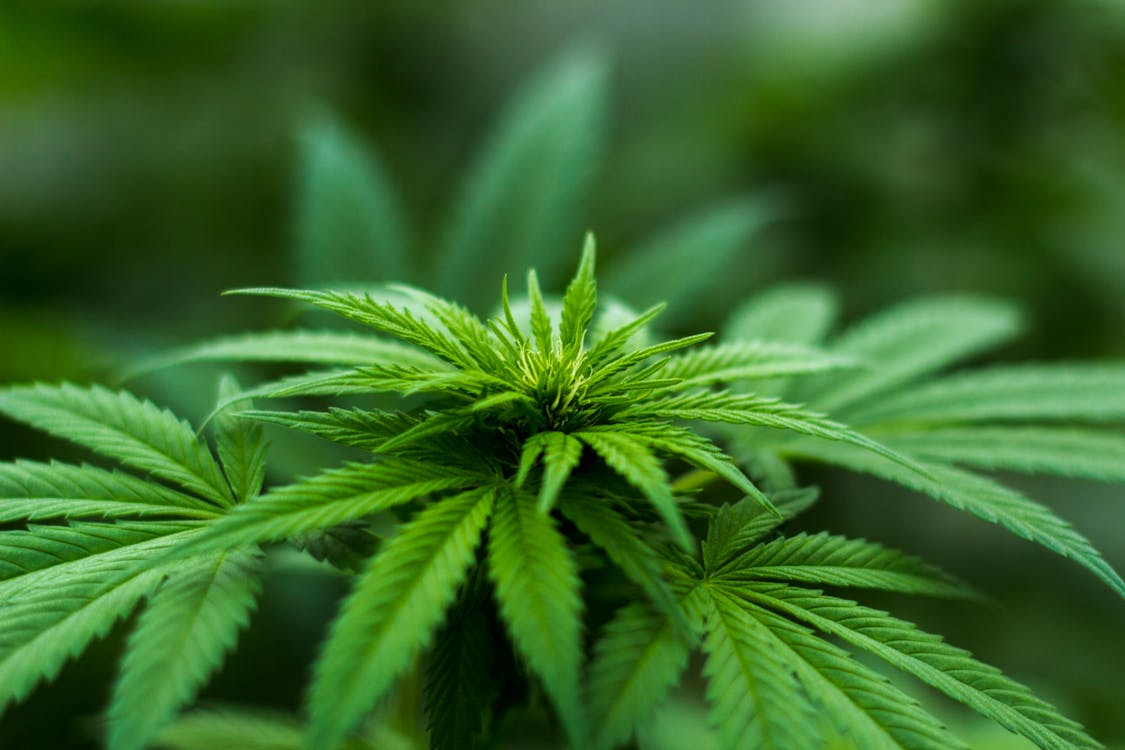
Cannabis is a flowering plant in the family Cannabaceae. It grows naturally in Central and South Asia, and humans have been cultivating it for at least 5,000 years — making it one of the oldest domesticated crops on Earth. People have used it for fiber, food, medicine, and yes, its psychoactive properties.
The plant itself is remarkably versatile. It can grow in a wide range of climates, from tropical to temperate, and it matures in just a few months. Cannabis plants are typically either male or female, and it is the unpollinated female plants that produce the resinous flowers — the buds — that people consume. These flowers are where the magic happens.
Within those flowers, you will find over 500 distinct chemical compounds: more than 100 cannabinoids, dozens of terpenes, flavonoids, and other molecules that work together to create the effects cannabis is known for. This chemical complexity is why different strains feel different, even when they have similar THC percentages. It is also why cannabis has attracted so much scientific interest in recent decades.
A Plant with Deep Roots
From ancient agriculture to modern dispensaries, cannabis has evolved alongside human civilization. Understanding the plant starts with appreciating its history, its biology, and the remarkable compounds it produces.
Trichomes: Where the Compounds Live
If you have ever looked closely at a cannabis bud, you have noticed the frosty, crystalline coating that covers its surface. Those tiny structures are called trichomes, and they are the production factories for nearly everything that makes cannabis work — cannabinoids, terpenes, and flavonoids are all produced and stored here.
Trichomes exist across the plant kingdom — they are the same structures that make tomato stems sticky and give mint leaves their fragrance. On cannabis, they serve as a defense mechanism: the sticky, aromatic resin they produce deters herbivores and protects the plant from UV radiation and fungal infections.
There are three main types of trichomes on cannabis. Bulbous trichomes are the smallest and appear across the entire plant surface. Capitate-sessile trichomes are slightly larger and sit flat against the plant. But the ones that matter most are capitate-stalked trichomes — the mushroom-shaped glands visible on mature flowers that produce the highest concentrations of cannabinoids and terpenes.
When you see a budtender talking about "trichome coverage" or describing a strain as "frosty," they are really talking about the density of these glands. More trichomes generally means a richer cannabinoid and terpene profile, though density alone does not tell the whole story. The specific compounds each trichome produces depend on the plant's genetics, growing conditions, and harvest timing.
Cannabinoids: The Active Compounds
Cannabinoids are the chemical compounds unique to cannabis that produce the plant's characteristic effects. Over 100 cannabinoids have been identified so far, but the two most abundant and best-studied are THC (delta-9-tetrahydrocannabinol) and CBD (cannabidiol).
THC — The Psychoactive Cannabinoid
THC is the compound responsible for the "high" that cannabis is known for. It binds directly to CB1 receptors in the brain, triggering the release of dopamine and producing effects like euphoria, relaxation, heightened sensory perception, altered time perception, and increased appetite. The intensity of these effects depends on the dose, the strain's full chemical profile, your consumption method, and your individual biology.
CBD — The Non-Psychoactive Cannabinoid
CBD does not produce a high. Instead, it interacts with your endocannabinoid system more indirectly, modulating receptor activity rather than binding to receptors the way THC does. Research suggests CBD may support relaxation, help with occasional stress, and even moderate some of THC's more intense effects. This is why many experienced users seek out products with a balanced THC:CBD ratio.
Beyond THC and CBD
The cannabinoid story does not end with THC and CBD. CBN (cannabinol) is associated with sedative effects and is often found in aged cannabis. CBG (cannabigerol) is sometimes called the "mother cannabinoid" because other cannabinoids are synthesized from it. THCV (tetrahydrocannabivarin) may offer more clear-headed, shorter-duration effects. Each of these compounds adds its own layer to the overall experience. For a complete breakdown, check out our full cannabinoids guide.
The Endocannabinoid System
Here is the part most people skip, but it is genuinely fascinating: your body already has a system built to interact with cannabinoids. It is called the endocannabinoid system (ECS), and it was discovered in the early 1990s by researchers studying how THC works. What they found changed the way scientists think about human biology.
The ECS exists in all mammals. Its job is to maintain homeostasis — the body's internal balance. It helps regulate mood, sleep, appetite, pain sensation, immune response, memory, and more. The system has three main components:
Endocannabinoids
Your body produces its own cannabinoids — endocannabinoids. The two best-known are anandamide (named from the Sanskrit word for "bliss") and 2-AG (2-arachidonoylglycerol). These molecules are produced on demand when the body detects an imbalance, and they interact with cannabinoid receptors to help restore equilibrium.
CB1 Receptors
CB1 receptors are concentrated primarily in the brain and central nervous system. They are found in areas that control pain, mood, memory, motor function, and appetite. When THC enters your system, it binds to CB1 receptors — this is the primary mechanism behind the psychoactive effects of cannabis. THC fits into CB1 receptors in a way that is remarkably similar to anandamide, your body's own "bliss molecule."
CB2 Receptors
CB2 receptors are found primarily in immune tissues, the peripheral nervous system, the spleen, and the gut. They play a role in modulating inflammation and immune response. CBD interacts more with CB2 receptors (among other pathways), which is one reason it does not produce psychoactive effects but may support immune and inflammatory balance.
The reason cannabis works in the human body is because plant cannabinoids (phytocannabinoids) are structurally similar to the cannabinoids your body already makes. They interact with the same receptors, just with different potencies and durations. This is not a coincidence — it is the result of millions of years of co-evolution between plants and animals.
Hemp vs Cannabis: Same Plant, Different Rules
One of the most common sources of confusion is the difference between "hemp" and "cannabis." Botanically, they are the same species — Cannabis sativa. The distinction is entirely legal, not scientific.
Under the 2018 Farm Bill, hemp is defined as cannabis that contains 0.3% THC or less by dry weight. That is it. If a cannabis plant produces more than 0.3% THC, it is legally classified as "marijuana" and falls under different regulations. Hemp is federally legal and is used for everything from textiles and building materials to CBD products and health supplements.
The 0.3% threshold is somewhat arbitrary — it was originally proposed in a 1979 taxonomy study — but it has real consequences. Hemp-derived CBD products can be sold across state lines and purchased in places where cannabis is not legal. However, these products often lack the full-spectrum cannabinoid profile found in dispensary-grade cannabis, which means they may not provide the same entourage effect.
At Kush Connection, we carry cannabis products that are formulated to deliver specific effects — not limited by an arbitrary THC threshold. Every product on our shelves comes with lab results showing the complete cannabinoid and terpene profile, so you know exactly what you are getting.
How Cannabis Effects Feel
Cannabis effects vary dramatically from person to person, strain to strain, and dose to dose. That said, there are some common experiences that most people report.
At lower doses, many people experience mild euphoria, a sense of relaxation, enhanced sensory perception (music sounds richer, food tastes better, colors seem more vivid), increased sociability, and a general sense of well-being. Some strains lean more toward mental stimulation and creativity, while others lean toward physical relaxation and calm — this is largely determined by the terpene profile rather than whether it is labeled "sativa" or "indica."
At higher doses, the effects intensify and can include altered time perception, deep introspection, couch-lock (intense physical relaxation), increased appetite, and in some cases anxiety or paranoia — especially for people who are new to cannabis or sensitive to THC. This is why our budtenders always recommend starting with a low dose, especially if you are trying a new product or consumption method.
The onset and duration of effects depend entirely on how you consume cannabis. Smoking and vaping produce effects within minutes that last one to three hours. Edibles take 30 minutes to two hours to kick in but can last four to eight hours or longer. Tinctures fall somewhere in between. For a detailed comparison, see our consumption methods guide.
Cannabis Product Forms
Modern cannabis comes in far more forms than just flower you smoke. Here is a quick overview of what you will find at a dispensary like Kush Connection:
Cannabis in New Jersey: Legal Status
New Jersey voters approved adult-use cannabis legalization in November 2020, and the Cannabis Regulatory, Enforcement Assistance, and Marketplace Modernization Act (CREAMM Act) was signed into law in February 2021. The first licensed adult-use dispensaries opened their doors in April 2022.
Under New Jersey law, adults 21 and older can legally purchase up to one ounce (28.35 grams) of cannabis flower, or the equivalent in other forms, from a licensed dispensary. Possession of up to six ounces has been decriminalized. However, all purchases must be made from state-licensed retailers — the black market remains illegal and unregulated, meaning you have no way to verify what you are actually getting.
A few important rules to know: public consumption is restricted and varies by municipality. You cannot drive under the influence of cannabis. You cannot take cannabis across state lines, even to another state where it is legal. Employers may still have workplace policies regarding cannabis use. And federal buildings and properties follow federal law, where cannabis remains a controlled substance.
New Jersey also has a medical cannabis program that predates adult-use legalization. Medical patients with a valid NJ medical card enjoy certain benefits including higher possession limits, tax exemptions, and access to medical-specific products and dosing guidance. For more details, see our NJ Cannabis Laws guide.
Ready to Explore?
Now that you understand the basics, come see (and smell) the real thing. Our budtenders at 665 Bloomfield Avenue in Montclair will walk you through everything and help you find the perfect product for your first experience — or your next one.
Cannabis products are intended for adults 21+ and medical patients with valid identification. Products are not approved by the FDA and are not intended to diagnose, treat, cure, or prevent any disease. Use may cause impairment and dizziness. Do not use while pregnant, breastfeeding, or operating vehicles. Keep all products secure and away from children and pets.